

Keeping proper business records can be daunting at first. The key is to identify a proper and appropriate system, break things down into a series of straight forward, manageable tasks which you can access and update them on a regular basis, rather than letting the paper work pile up.
Most small businesses don’t see the need to keep proper transactions record which in turn creates management challenges. This makes the rate of business failure very high due to lack of proper information to rely on.
As required by law it’s important for businesses to keep its records, as authorities may request to refer to them if there are any suspected management and or taxation issues thus records are required to be maintained for a stipulated minimum period. These records will include copies of all sales invoices, original purchase invoices, credit and debit notes, custom entries, audited accounts, accounts ledgers, cash books, bank statements, copies of ETR monthly print outs, pay in slips etc.
Good Record keeping is essential for anyone in business. This helps to keep track of all the day to day operations of the business which in turn helps to manage it efficiently by understanding how the business is doing by following up closely on each transaction made.
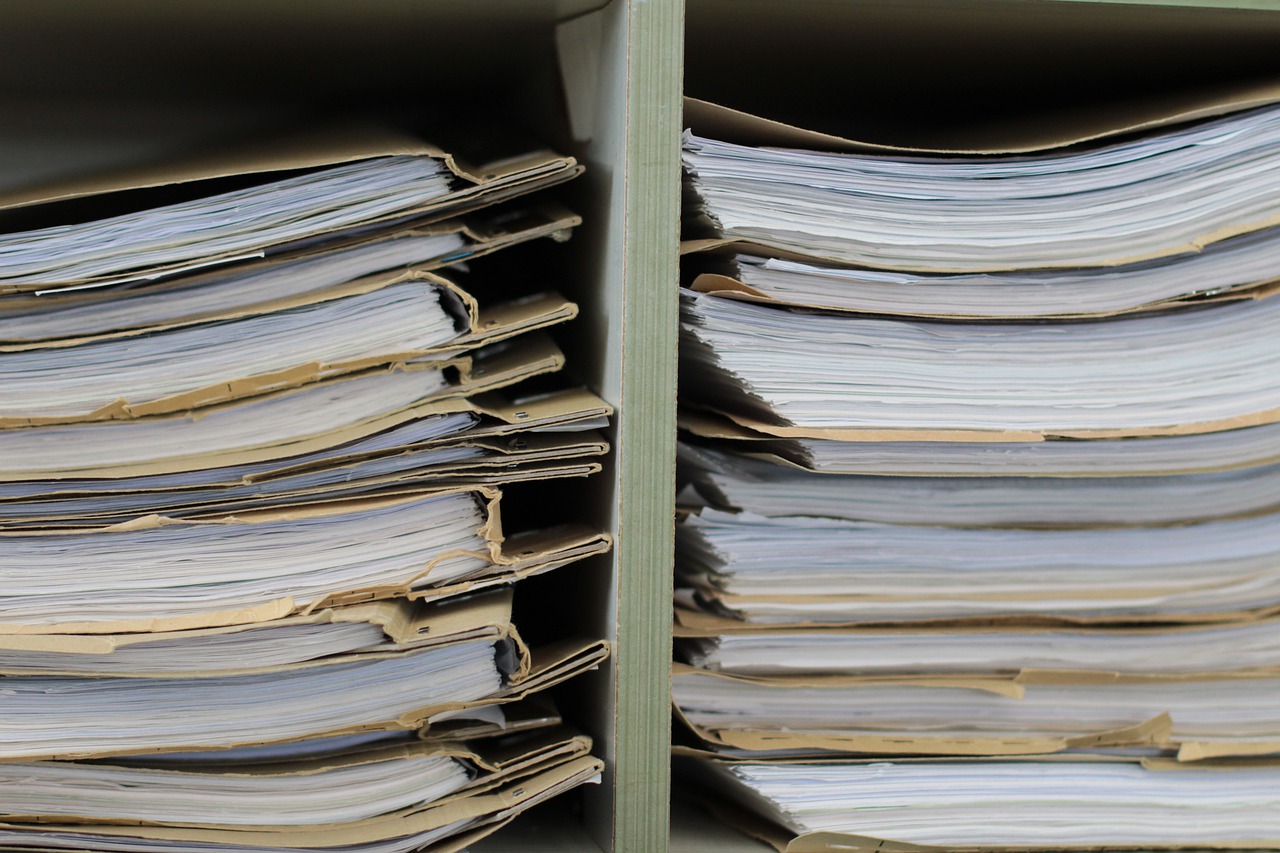
Business records can be maintained manually, computerized on a certain system or kept online. The system used should be easy to operate and complement the business. Documents that contain details of payments, receipts, credit purchases and sales, bank statements, assets and liabilities should be organized and filled appropriately, if a receipt for an expense or income is not obtained a note of the same should be recorded.
ADVANTAGES OF KEEPING RECORDS
- Helps to prepare accounts efficiently and effectively.
- Helps to manage your business with ease where the information needed is readily available.
- Helps to prepare a budget and plan for business income and how is to be achieved.
- Helps to identify and analyze the strength and weaknesses of your business.
- Helps to identify internal controls to be put in place to safeguard the firm’s assets and liabilities.
- Helps to manage changes and improvements in your business.
- Helps to plan on how to meet financial commitments such as paying creditors or employees.
- Makes it easier to value your company, therefore, to get a loan or sell your business
- Helps to identify if the business has made a profit or a loss and makes it easy to distribute profits to shareholders as a dividend or for partnerships a share of profits as stated in the deed.
- Helps to maximize expenses to be claimed for tax purposes which reduces your tax obligations.
- Helps out if investigated by the revenue authority, since evidence will be readily available to them.
- Helps to plan for tax incurred while doing business and henceforth avoid over or underpayments by knowing the correct tax instalments to be paid up as required.
- Help to identify if your business is liable for tax payments like VAT, withholding, TOT, income tax.



That is а great tip especialⅼy to those new
to the blogosphere. Տhort but very accurate information… Many thanks
for sharing this one. A must read post!
I got what you intend,saved to bookmarks, very nice internet site. Shena Nicol Hawk
Thank you.
Hi there! I like your post, keep sharing it. You’re so good at what you’re doing.